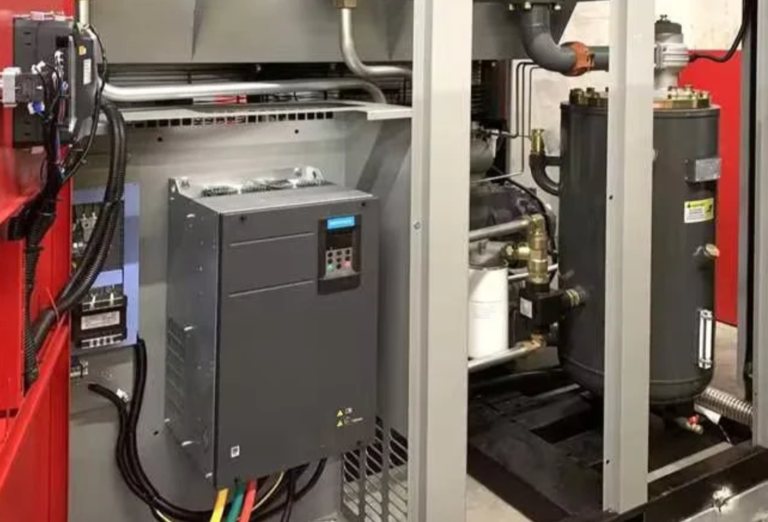
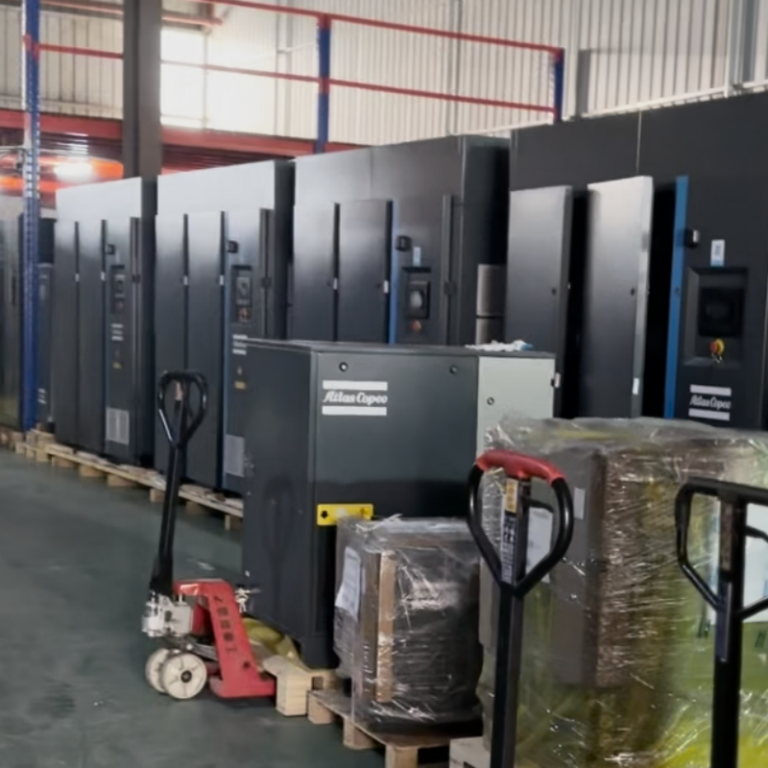
Atlas Copco Air Compressors

Atlas Copco VS KAESER, How to Choose?
Atlas Copco VS KAESER, How to Choose?
Choosing between Atlas Copco and KAESER is a common challenge for industrial buyers. Both brands are globally recognized in the compressed air industry, but they follow very different strategies in technology, product range, and service systems.
Atlas Copco focuses on full product coverage, digitalization, and energy efficiency, while KAESER emphasizes German engineering precision, long-term reliability, and stable operation under heavy loads.

Understanding their differences helps companies select equipment that aligns with their operational needs, budget, and long-term strategy.
Main Differences
The core differences between these two brands lie in their corporate strategy, product coverage, manufacturing model, and technical philosophy.
Atlas Copco is a diversified global industrial group, while KAESER is a specialized compressed air expert with a strong focus on engineering quality.
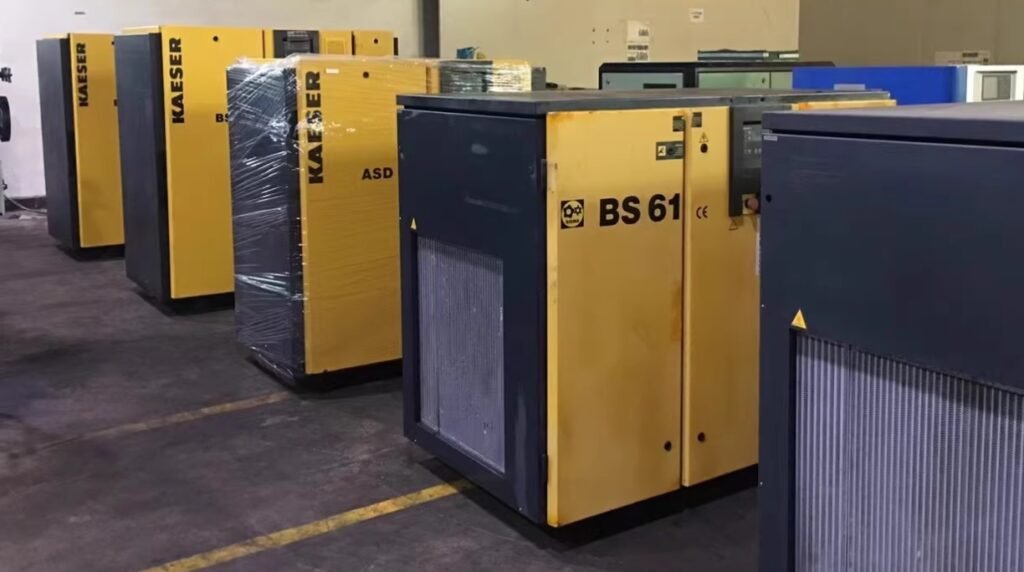
Key Differences Overview
| Dimensions | Atlas Copco | KAESER |
|---|---|---|
| Corporate nature and strategy | Swedish listed global industrial group covering compressors, vacuum, tools, and industrial technology | German family-owned company focused entirely on compressed air systems |
| Product coverage | Full range: mobile, oil-injected screw, oil-free screw, centrifugal, scroll, vacuum | Focus on fixed systems: mainly medium and large screw compressors and oil-free units |
| Manufacturing model | Global production bases (Europe, Asia, USA) for flexible delivery and cost optimization | Core manufacturing centralized in Coburg, Germany with high integration |
| Technology philosophy | Focus on digitalization, energy efficiency, and system integration | Focus on mechanical reliability, thermal efficiency, and long-term stable operation |
These differences define how each brand performs in different industrial scenarios.
Respective Advantages
Each brand has its own strengths depending on application requirements, operating conditions, and investment priorities.
Atlas Copco leads in technology integration and energy efficiency, while KAESER stands out in durability and mechanical stability.
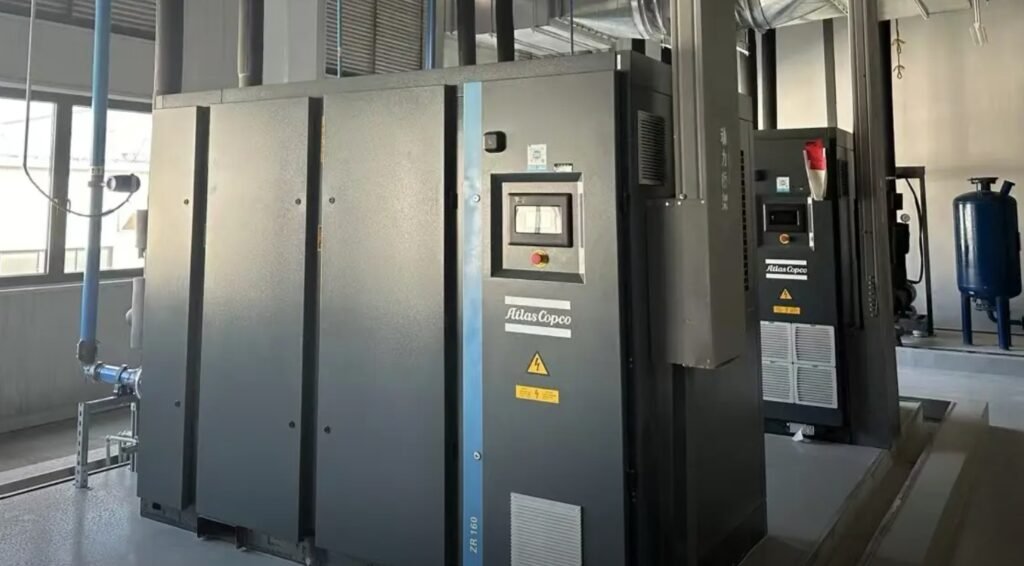
Atlas Copco Advantages
| Advantage | Description | Benefit |
|---|---|---|
| Comprehensive technology | Covers oil-injected, oil-free, and mobile compressors | Suitable for diverse industries |
| Energy efficiency | Advanced VSD technology with very low specific power | Reduces electricity costs |
| Intelligent systems | Equipped with advanced controllers and remote monitoring | Supports Industry 4.0 |
| Localized service | Local production and fast spare parts supply | Faster response and lower cost |
Atlas Copco is especially strong in oil-free compressors and variable speed drive (VSD) technology, making it a leader in energy-saving solutions.
KAESER Advantages
| Advantage | Description | Benefit |
|---|---|---|
| German precision | High-precision rotor machining and strict standards | Long equipment lifespan |
| Stability | Low leakage and excellent thermal design | Reliable 24/7 operation |
| Low maintenance | Modular design and long service intervals | Reduced maintenance cost |
| Low noise | Advanced sound insulation design | Suitable for noise-sensitive environments |
KAESER compressors are known for operating stability and long service life, often exceeding very high lifecycle expectations in industrial environments.
Service and After-Sales System
Service capability is a critical factor for long-term operation, especially for industrial equipment that runs continuously.
Atlas Copco provides a highly standardized global service system, while KAESER focuses on localized, flexible service solutions.
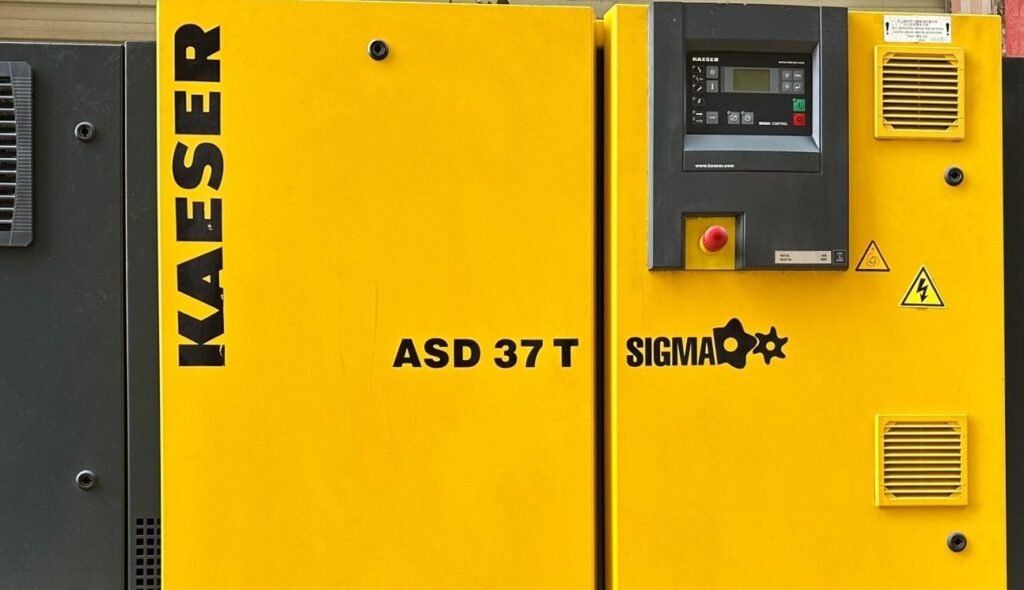
Service Comparison
| Item | Atlas Copco | KAESER |
|---|---|---|
| Global network | Coverage in 180+ countries with fast response | Strong in Europe, expanding globally |
| Response time | 24-hour response, fast on-site service | Quick local response depending on region |
| Service model | Standardized global service system | Customized local service approach |
| Spare parts system | Global online parts system with accurate PN tracking | Stable German supply with flexible third-party options |
Atlas Copco is more suitable for multinational companies requiring unified global service standards, while KAESER provides flexibility for regional operations.
How to Choose Them
The choice between these two brands should be based on actual application requirements, operating conditions, and long-term cost considerations.
There is no absolute “better” option—only the most suitable solution for your specific use case.
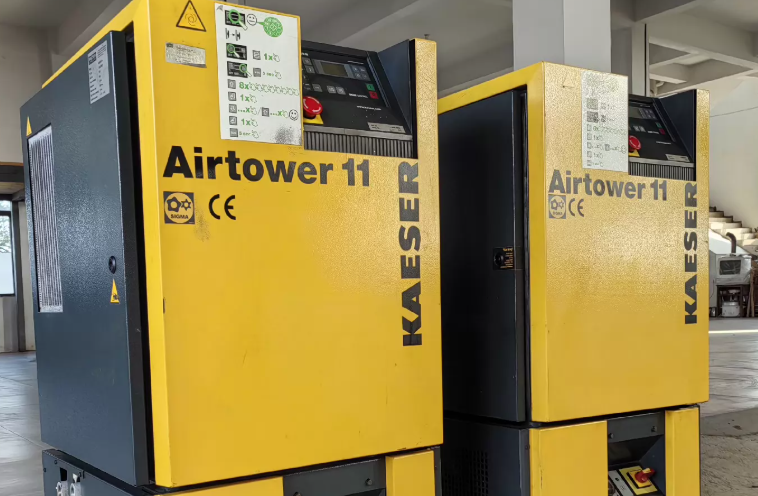
Choose Atlas Copco If:
| Scenario | Reason |
|---|---|
| Oil-free air required | Strong leadership in oil-free technology |
| Fluctuating air demand | Advanced VSD energy-saving solutions |
| Smart factory integration | Supports digital monitoring and control |
| Fast service needed | Strong local service and spare parts supply |
Atlas Copco is ideal for industries such as electronics, pharmaceuticals, and food processing where energy efficiency and air quality are critical.
Choose KAESER If:
| Scenario | Reason |
|---|---|
| Maximum reliability required | Extremely durable and stable systems |
| Continuous 24/7 operation | Designed for high-load conditions |
| Preference for German engineering | High-quality manufacturing standards |
| Low failure rate priority | Simple structure with minimal downtime risk |
KAESER is well suited for heavy industry, continuous production lines, and environments where stability is more important than flexibility.
Conclusion
Atlas Copco and KAESER represent two different philosophies in the air compressor industry—one focused on innovation and system integration, the other on engineering precision and long-term reliability.
For companies prioritizing energy efficiency, intelligent control, and global service, Atlas Copco is often the better choice. For those seeking robust, stable, and low-maintenance equipment for continuous operation, KAESER offers significant advantages.
Ultimately, selecting the right brand depends on aligning the compressor’s capabilities with your production needs, operating conditions, and long-term investment strategy.