Atlas Copco Air Compressors

What About Ingersoll Rand Air Compressors?
What About Ingersoll Rand Air Compressors?
Many industrial buyers hesitate when choosing an air compressor brand. Reliability, energy efficiency, and long-term operating cost often create uncertainty during the selection process.
Ingersoll Rand air compressors are known for strong durability, advanced energy-saving technology, and a complete product range that supports industries from small workshops to large industrial plants.
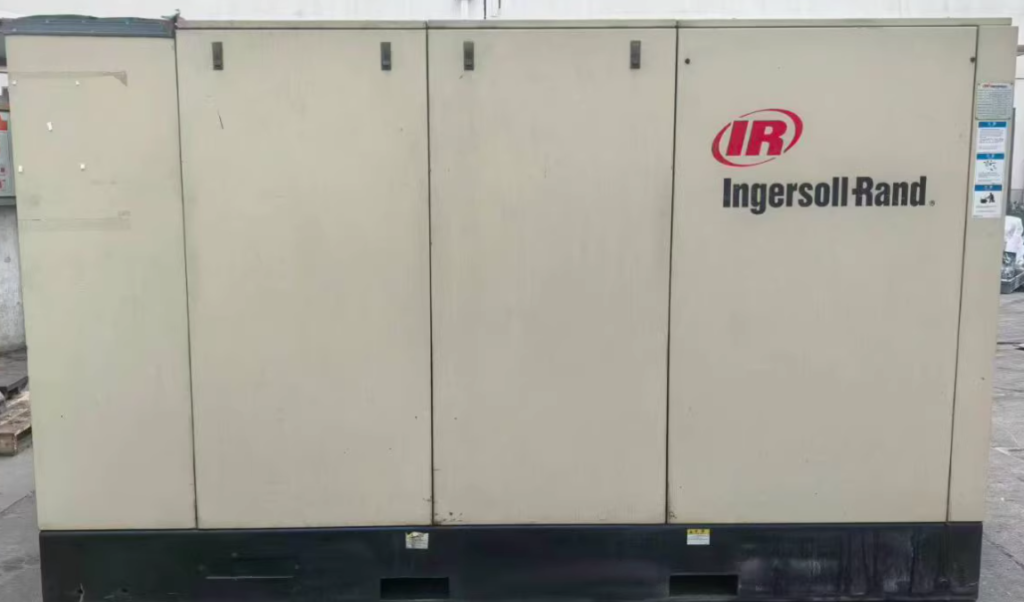
Ingersoll Rand has remained one of the most recognized names in compressed air systems for more than a century. Understanding its history, advantages, limitations, and ideal applications helps companies decide whether it fits their operational needs.
About Ingersoll Rand Air Compressor
Many global industrial brands appear similar at first glance. However, the history and technological development behind them often reveal their real strengths.
Ingersoll Rand is one of the oldest compressed air equipment manufacturers in the world and has played a major role in the evolution of modern air compressor technology.
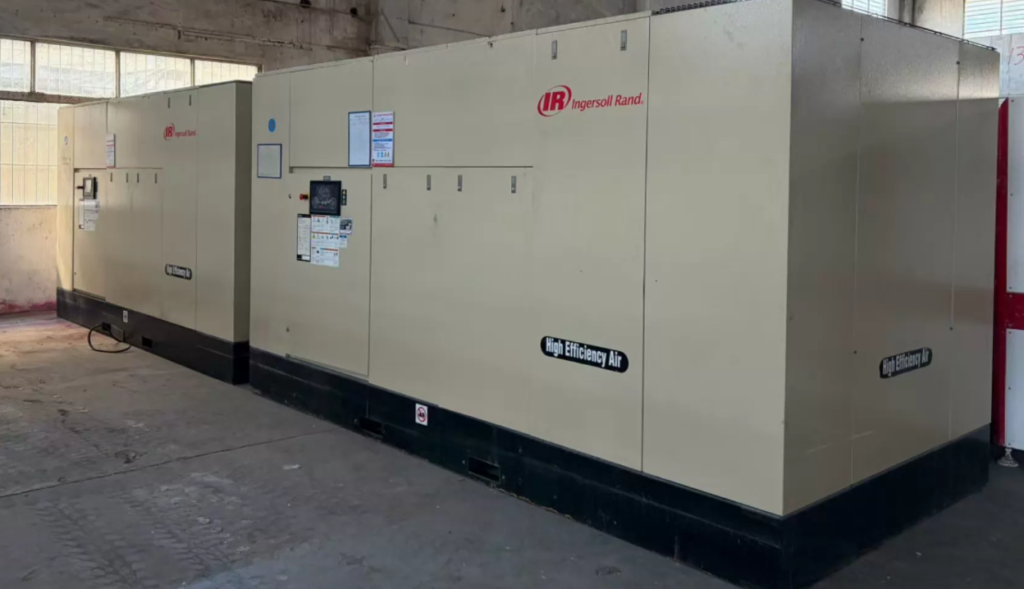
Ingersoll Rand was founded in New York, USA, in 1871. The company originally manufactured rock drilling machines for mining and infrastructure projects. Over time, it expanded into industrial equipment and gradually became a global leader in compressed air systems. The compressor business has remained the core pillar of the company.
Throughout its development, the brand introduced several innovations that shaped the industry. These milestones helped define the reliability and technical foundation that many industrial users recognize today.
Key Development Milestones
| Year | Milestone | Impact |
|---|---|---|
| 1872 | Launch of the first reciprocating air compressor | Established the foundation for compressed air technology |
| 1890 | Development of the first direct-coupled motor-driven compressor | Introduced the electric compression era |
| 1912 | Installation of the first 100 psig oil-free centrifugal compressor | Opened large-scale oil-free applications |
| 1929 | Launch of the Type-30 reciprocating compressor | Became one of the best-selling compressors globally |
| 1953 | Introduction of two-stage oil-free rotary compressor module | Advanced oil-free screw compressor technology |
| 2019 | Merger with Gardner Denver industrial division | Strengthened global industrial technology leadership |
These developments show how the brand evolved from basic drilling equipment to advanced compressed air systems used in manufacturing, energy, chemical, and pharmaceutical industries worldwide.
What Are the Advantages of Ingersoll Rand Air Compressor?
Many companies choose compressors based on durability, efficiency, and service support. These factors determine the real value of industrial equipment.
The main advantages of Ingersoll Rand compressors include strong engineering durability, advanced energy-saving technology, and a complete product range that supports nearly all industrial applications.
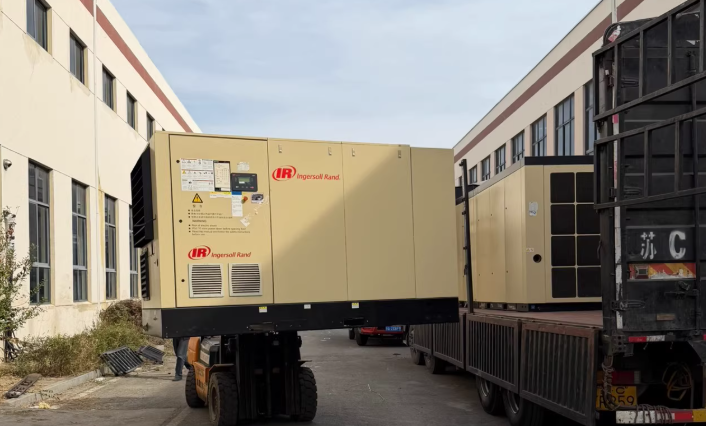
The company has accumulated more than a century of compressor engineering knowledge. This experience appears in its core technologies, materials, and system design philosophy.
Key Technical Advantages
| Technology | Description | Benefit |
|---|---|---|
| Ultracoat® coating | Advanced coating for oil-free rotors | Extends main engine life to over 150,000 hours |
| Two-stage compression | Used in Sierra and E-Series oil-free compressors | Improves energy efficiency by about 13.5% |
| Nirvana VSD system | Permanent magnet IE4/IE5 motors | Reduces energy consumption by 30-50% |
| Type-30 design | Heavy-duty cast iron reciprocating compressor | Proven durability for harsh environments |
Another major advantage lies in its complete compressor product matrix. Few manufacturers offer such a wide range of industrial solutions.
Product Series and Application Coverage
| Series Type | Power Range | Core Features | Typical Applications |
|---|---|---|---|
| R-Series micro-oil screw | 2.2–355 kW | Efficient rotor, low noise, modular design | Manufacturing, automotive, electronics |
| Sierra / E-Series oil-free screw | 37–160 kW | Class 0 oil-free, two-stage compression | Pharmaceutical, food, semiconductor |
| WE-Series oil-free scroll | 2.2–37 kW | Very low noise, modular structure | Laboratory, medical equipment |
| GDK low-pressure screw | 200–250 kW | Water-cooled stainless steel cooler | Textile, paper, sewage treatment |
| ML / XP mobile compressor | 18.5–560 kW | Heavy-duty design, high mobility | Mining, infrastructure, oil exploration |
| Centac centrifugal | 1000 kW+ | Oil-free, large airflow | Chemical industry, steel plants, energy |
| Type-30 reciprocating | 0.75–75 kW | Durable cast iron structure | Workshops and maintenance facilities |
In addition, the company maintains a strong global service system. Its compressors operate in more than 170 countries with thousands of service centers providing support, spare parts, and technical assistance.
What Are the Disadvantages of Ingersoll Rand Air Compressor?
Even leading industrial brands have limitations. Understanding these drawbacks helps companies make realistic decisions.
The main disadvantages include higher initial investment costs, higher maintenance expenses for original parts, and certain limitations under extremely specialized operating conditions.
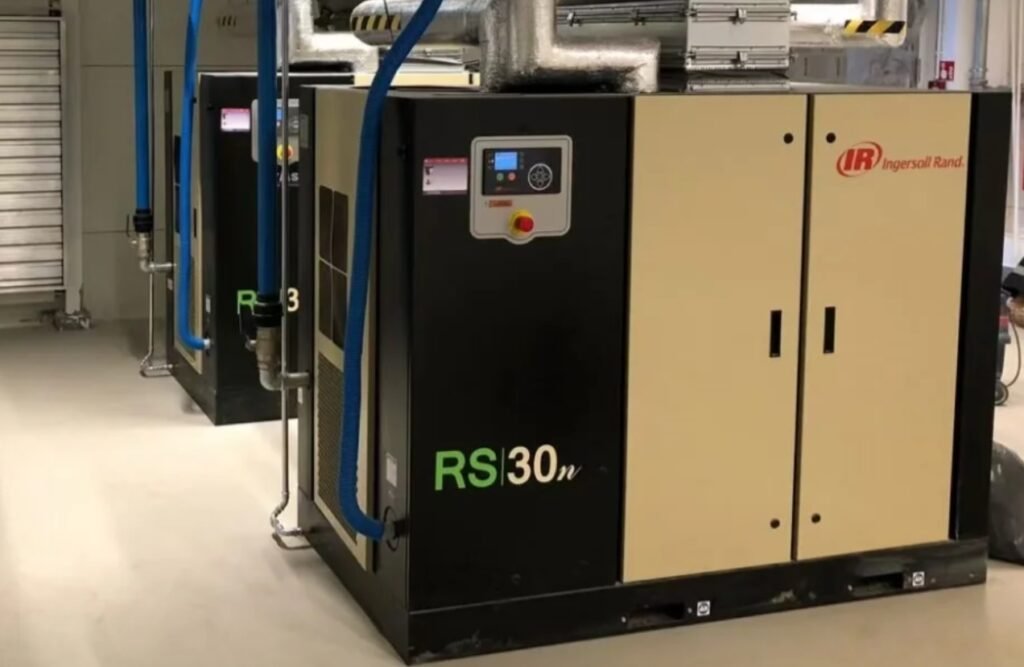
The most common concern among buyers is the initial purchase price. Premium oil-free compressors and advanced variable-speed systems are significantly more expensive than many second-tier brands. This price difference can reach 25%–40% in some markets.
Key Limitations
| Category | Limitation | Explanation |
|---|---|---|
| Initial investment | Higher equipment cost | Premium models cost more than many competing brands |
| Maintenance cost | Original spare parts are expensive | Long lifespan but higher short-term maintenance expenses |
| Technical complexity | Advanced control systems | Professional technicians required for service |
| Extreme conditions | Some environments require customization | Ultra-high temperature or pressure needs special configuration |
| Delivery time | Customized units require longer lead time | Often 4–6 weeks for special models |
Another factor is energy efficiency differences between compressor types. While screw compressors are highly efficient, older reciprocating models like Type-30 may consume more energy in continuous production scenarios.
In addition, the integration of Ingersoll Rand and Gardner Denver since 2019 has created overlapping product lines in certain markets. This sometimes causes confusion in sales networks and service structures during the transition period.
Why Choose Ingersoll Rand Air Compressor
Many companies still choose Ingersoll Rand despite higher upfront costs. The reason lies in long-term reliability and lower life-cycle operating costs.
Ingersoll Rand compressors often deliver lower total ownership cost due to higher efficiency, longer service life, and reduced production risks.
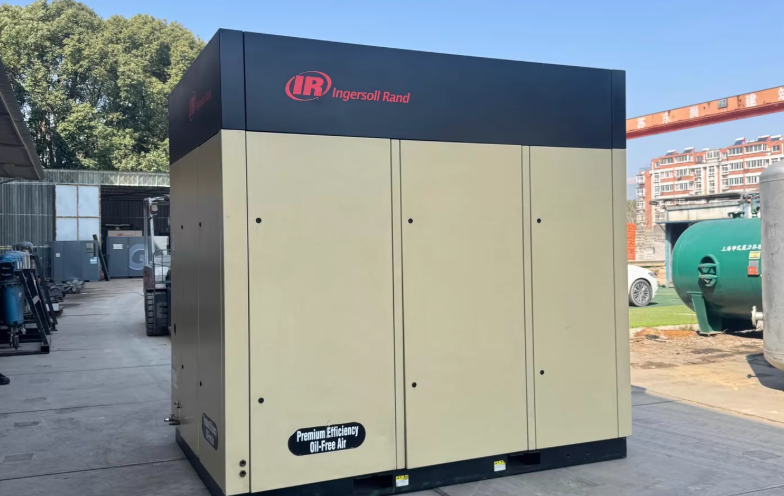
Industrial buyers increasingly evaluate equipment using total cost of ownership rather than purchase price. In this context, Ingersoll Rand systems often perform strongly.
Life Cycle Cost Advantage
| Factor | Impact |
|---|---|
| Energy efficiency | 13.5%–50% energy savings depending on model |
| Maintenance cycle | Up to 50% longer maintenance intervals |
| Service life | Often twice the lifespan of lower-cost compressors |
| Downtime reduction | Intelligent monitoring reduces unexpected failures |
The oil-free compressor series is especially important for industries that cannot accept contamination. Pharmaceutical production, electronics manufacturing, and food processing all require strict air purity standards. Class 0 oil-free certification helps companies meet international regulations such as FDA and GMP.
Large industrial facilities also benefit from the company’s centrifugal compressor technology. The Centac series offers stable airflow, large capacity, and lower maintenance requirements for chemical plants, energy facilities, and steel mills.
Mobile compressors also remain widely used in infrastructure construction, mining, and oil exploration. Heavy-duty ML and XP series machines provide mobility, durability, and fuel efficiency for field operations.
Beyond equipment performance, the brand’s global service network plays a critical role. With thousands of service outlets and standardized quality control systems, companies can maintain consistent equipment performance across different countries and projects.
Conclusion
Ingersoll Rand air compressors offer strong reliability, advanced energy efficiency, and broad industrial adaptability, making them a trusted choice for companies that prioritize long-term performance and operational stability.