Atlas Copco Air Compressors

What Is the Price of Atlas Copco?
What Is the Price of Atlas Copco?
Many buyers want to know the exact price of Atlas Copco compressors or spare parts. However, the price is rarely fixed and often varies between markets and time periods.
Atlas Copco compressor prices depend on region, model, supply conditions, and purchasing channel. The same equipment can differ by 15%–40% across countries due to taxes, logistics, and market strategy.

Understanding the reasons behind these price differences helps buyers make smarter purchasing decisions. It also helps companies avoid unnecessary procurement costs and reduce long-term investment risks.
Why Do the Same Models and Parts Have Different Prices in Different Countries?
Many buyers feel confused when they receive different quotations for the same Atlas Copco compressor model in different countries.
Atlas Copco uses a regional pricing strategy. The same compressor or spare part may vary by 15%–40% depending on local costs, taxes, regulations, and market competition.
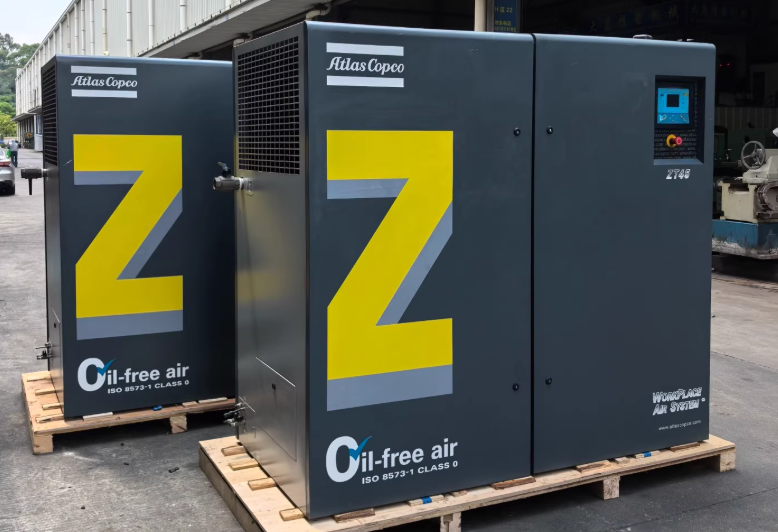
This pricing structure is common for global industrial brands. The final selling price is influenced by several economic and operational factors in each country.
Key Factors Affecting Regional Pricing
| Factor | Description | Impact on Price |
|---|---|---|
| Cost structure | Labor cost, logistics cost, warehouse cost | Higher operating costs increase final price |
| Import duties and taxes | Tariffs, VAT, customs fees | High tariffs significantly increase selling price |
| Market environment | Economic level and purchasing power | Mature markets often accept higher premiums |
| Competition level | Local competitor presence | High competition can lower prices |
| Regulations and certifications | Local safety or energy certifications | Additional compliance increases production cost |
For example, compressors sold in high-tariff countries include import duties and local taxes in their selling price. Meanwhile, in highly competitive markets such as China or India, manufacturers often adopt more flexible pricing strategies to maintain market share.
Even if the product specifications are identical, the final selling price still reflects local market conditions.
Why Atlas Copco Prices Keep Changing
Another common question from buyers concerns frequent price adjustments. Equipment that was quoted one year ago may have a different price today.
Atlas Copco prices change because manufacturing costs, exchange rates, supply chains, and product upgrades continuously influence the market price.
Industrial equipment prices are dynamic rather than fixed. In most years, price fluctuations typically range between 3% and 8%. During periods of global economic change, the adjustment can reach 10%–15%.
Major Drivers of Price Fluctuation
| Driver | Explanation | Typical Impact |
|---|---|---|
| Raw material costs | Steel, copper, electronic components | Directly affect manufacturing cost |
| Exchange rate changes | Euro, USD, RMB fluctuations | Influence international transaction costs |
| Technology updates | New models replace old models | Old models may be discounted |
| Supply chain disruptions | Chip shortages or production delays | Temporary price increases |
| Demand changes | Regional order backlog | Delivery time and price may increase |
For example, the price of steel and copper affects compressor manufacturing costs because these materials are widely used in rotors, motors, and structural components. At the same time, exchange rate movements influence global pricing when equipment is sold internationally.
Supply chain events also play a major role. Shortages of electronic components or shipping disruptions can temporarily increase equipment prices or extend delivery times.
Because of these factors, the price of the same compressor model may differ when quotations are requested at different times.
How to Reduce Atlas Copco’s Procurement Costs
Although Atlas Copco pricing is dynamic and regionally differentiated, companies can still reduce procurement costs through strategic sourcing and careful planning.
The most effective cost control strategy is not simply choosing the lowest quotation but optimizing purchasing channels, regions, and logistics while ensuring genuine products.
Industrial buyers should focus on total cost rather than only the initial equipment price. This approach helps avoid unexpected costs later in the procurement process.
Strategic Purchasing Approaches
| Strategy | Description | Benefit |
|---|---|---|
| Choose optimal purchasing location | Different regions offer better pricing for specific products | Lower purchase price |
| Evaluate full supply chain cost | Include freight, insurance, duties, and taxes | Avoid hidden costs |
| Verify product authenticity | Ensure genuine Atlas Copco equipment and parts | Prevent operational risk |
| Plan procurement timing | Monitor supply cycles and market conditions | Reduce price fluctuation impact |
For example, many buyers find that purchasing GA series oil-injected screw compressors or standard spare parts from China can offer price advantages due to mature local supply chains and manufacturing support.
In contrast, oil-free compressors such as the ZR or ZT series and large centrifugal compressors like the ZH series are often sourced directly from European production bases such as Belgium or Sweden. Although the unit price may be higher, the risk of counterfeit parts or unreliable supply is significantly reduced.
Another important step is calculating the full procurement cost. Buyers should include international freight, insurance, import duties, VAT, customs clearance fees, and potential port storage charges. Ignoring these factors can lead to situations where a low quotation becomes more expensive after shipping and taxes.
Companies must also avoid extremely low offers. Some suppliers may provide refurbished machines disguised as new equipment or sell non-original spare parts as genuine products. These short-term savings often lead to higher maintenance costs and operational risks in the future.
The goal of procurement is therefore not simply finding the lowest price. The real objective is achieving the best cost-performance balance while maintaining equipment reliability and supply security.
Conclusion
Atlas Copco prices vary due to regional strategies, market dynamics, and supply chain factors. Smart procurement focuses on total cost, genuine supply, and long-term operational value rather than only the lowest price.